Uhaja von Indien, meine liebe Tauf=Paatinn
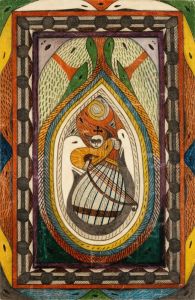
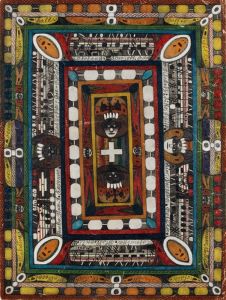
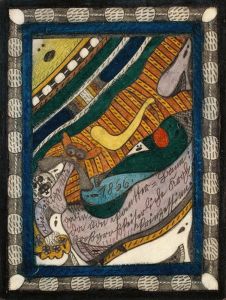
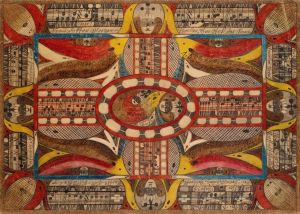
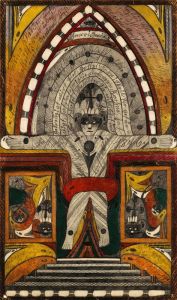
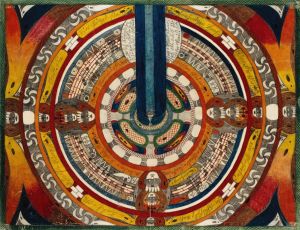
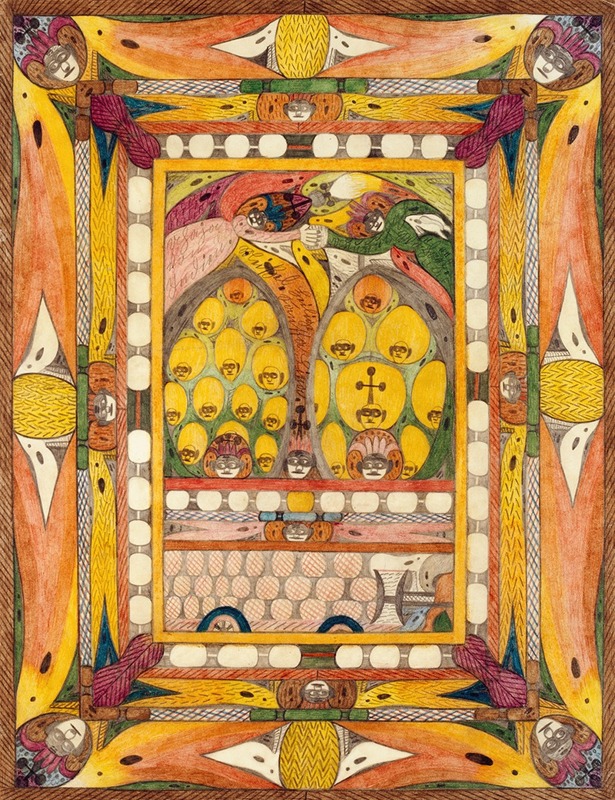
A hand-painted replica of Adolf Wölfli’s masterpiece Uhaja von Indien, meine liebe Tauf=Paatinn, meticulously crafted by professional artists to capture the true essence of the original. Each piece is created with museum-quality canvas and rare mineral pigments, carefully painted by experienced artists with delicate brushstrokes and rich, layered colors to perfectly recreate the texture of the original artwork. Unlike machine-printed reproductions, this hand-painted version brings the painting to life, infused with the artist’s emotions and skill in every stroke. Whether for personal collection or home decoration, it instantly elevates the artistic atmosphere of any space.
Adolf Wölfli (1864-1930) was a Swiss artist known for his intricate and highly detailed works that often combined visual art with text and musical notation. Wölfli's life was marked by significant personal challenges, including a troubled childhood and a lengthy stay in a psychiatric hospital. Despite these hardships, he produced a vast body of work that has been recognized for its unique and complex style, often categorized under the Art Brut or Outsider Art movements.
One of Wölfli's notable works is "Uhaja von Indien, meine liebe Tauf=Paatinn," which translates to "Uhaja from India, my dear Godmother." This piece is part of his larger oeuvre created during his time at the Waldau Clinic in Bern, where he was institutionalized from 1895 until his death in 1930. During his stay, Wölfli created an extensive series of drawings, writings, and musical compositions that filled numerous notebooks.
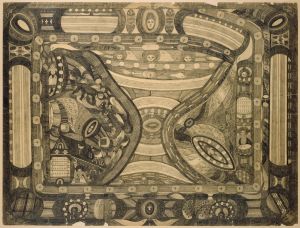
"Uhaja von Indien, meine liebe Tauf=Paatinn" exemplifies Wölfli's distinctive style, characterized by dense, intricate patterns and a blend of fantastical imagery with autobiographical elements. His works often feature a combination of geometric shapes, symbolic figures, and elaborate borders, all meticulously detailed. Wölfli's art is also known for its integration of text, which can include narrative elements, poetry, and invented languages, adding layers of meaning and complexity to his visual compositions.
The title of the piece suggests a personal and possibly imaginary relationship, as Wölfli frequently created elaborate mythologies and narratives within his work. The reference to "India" and a "Godmother" indicates a blend of cultural and familial themes, which is typical of Wölfli's tendency to merge reality with fantasy. His works often reflect his inner world and the mental landscapes he navigated, providing insight into his thoughts and experiences.
Wölfli's art gained recognition posthumously, largely due to the efforts of Dr. Walter Morgenthaler, a psychiatrist at the Waldau Clinic who published a monograph on Wölfli in 1921 titled "Ein Geisteskranker als Künstler" ("A Psychiatric Patient as Artist"). This publication brought Wölfli's work to the attention of the broader art world and established him as a significant figure in the study of Outsider Art.
Today, Wölfli's works are held in high regard and are part of several important collections, including the Adolf Wölfli Foundation at the Museum of Fine Arts in Bern, Switzerland. His art continues to be studied and appreciated for its originality, complexity, and the unique perspective it offers on the intersection of mental health and creativity.
"Uhaja von Indien, meine liebe Tauf=Paatinn" remains a testament to Wölfli's extraordinary ability to create rich, multi-layered works that captivate and intrigue viewers, offering a glimpse into the mind of one of the most fascinating artists of the 20th century.