La bohème
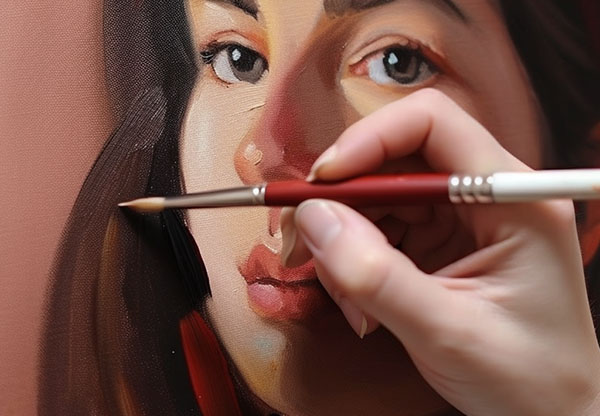
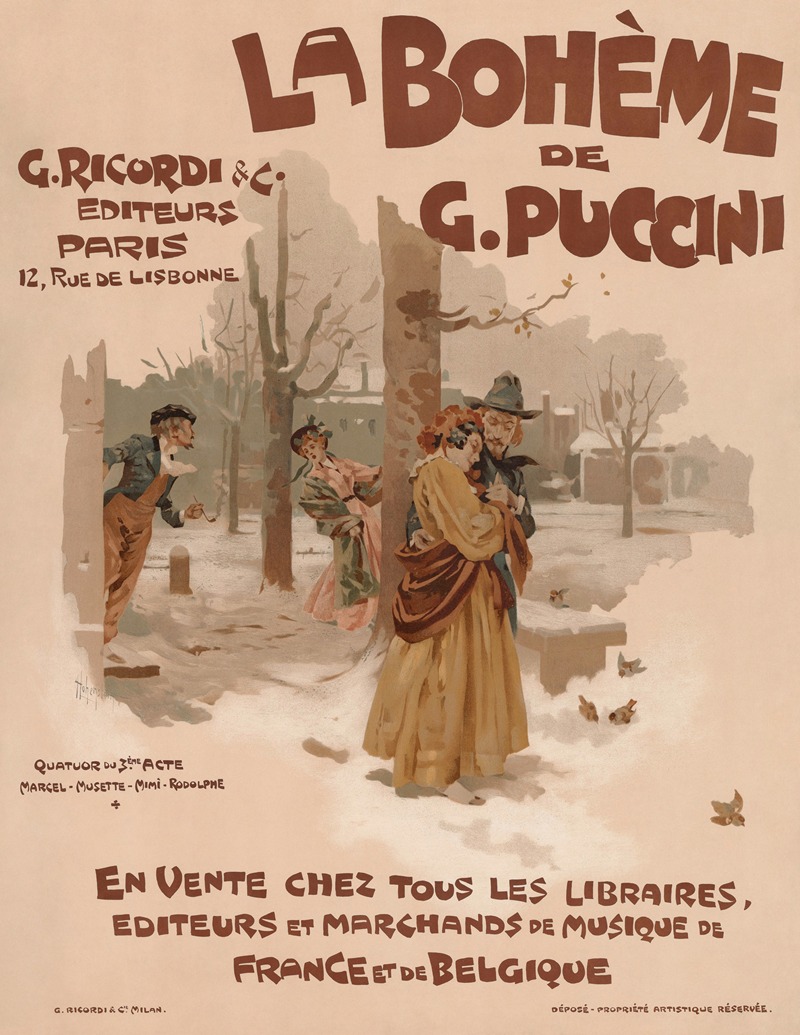
A hand-painted replica of Adolfo Hohenstein’s masterpiece La bohème, meticulously crafted by professional artists to capture the true essence of the original. Each piece is created with museum-quality canvas and rare mineral pigments, carefully painted by experienced artists with delicate brushstrokes and rich, layered colors to perfectly recreate the texture of the original artwork. Unlike machine-printed reproductions, this hand-painted version brings the painting to life, infused with the artist’s emotions and skill in every stroke. Whether for personal collection or home decoration, it instantly elevates the artistic atmosphere of any space.
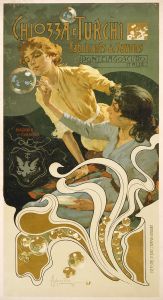
Adolfo Hohenstein's La bohème is a renowned poster created in 1896 to promote the premiere of Giacomo Puccini's opera La bohème. Hohenstein, a German-Italian artist, is often regarded as one of the pioneers of modern graphic design and a leading figure in the Art Nouveau movement in Italy. His work on this poster is a prime example of his ability to combine artistic elegance with effective promotional design.
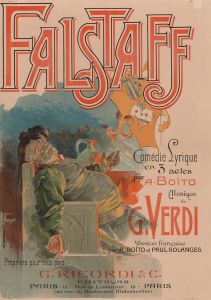
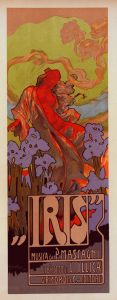
The poster was commissioned by the Casa Ricordi, the prominent Italian music publishing house responsible for publishing Puccini's works. Hohenstein was closely associated with Casa Ricordi and produced numerous iconic posters for the company during his career. His designs played a significant role in shaping the visual identity of late 19th-century Italian opera.
The La bohème poster captures the romantic and melancholic essence of Puccini's opera, which is based on Henri Murger's novel Scènes de la vie de bohème. The opera tells the story of young bohemians living in Paris and their struggles with love, poverty, and loss. Hohenstein's artwork reflects these themes through its delicate composition and evocative imagery. The central figure in the poster is a young woman, often interpreted as Mimì, one of the opera's main characters. She is depicted in a wistful pose, surrounded by soft, flowing lines and muted colors that convey a sense of fragility and emotion.
Hohenstein's use of Art Nouveau elements, such as ornamental borders and stylized typography, adds to the visual appeal of the poster. The design not only served as an advertisement for the opera but also as a standalone piece of art that exemplified the aesthetic trends of the time. The poster's success contributed to the growing popularity of both Puccini's opera and Hohenstein's work as a graphic artist.
Today, Hohenstein's La bohème poster is considered a masterpiece of opera poster design and a significant artifact of late 19th-century visual culture. It is frequently reproduced in books and exhibitions dedicated to Art Nouveau and the history of graphic design. The original poster is preserved in various collections, including those of museums and archives specializing in opera and design history.