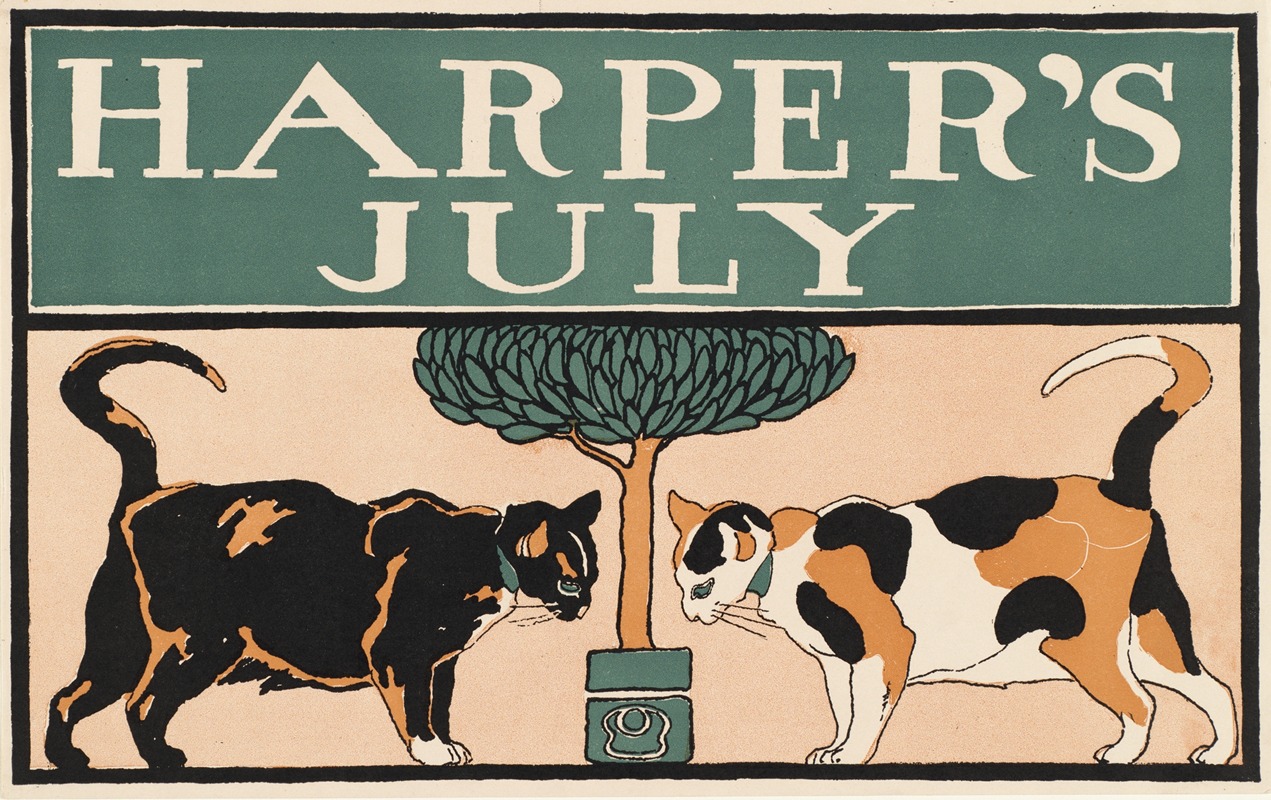
Harper’s July
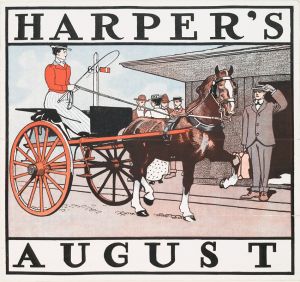
A hand-painted replica of Edward Penfield’s masterpiece Harper’s July, meticulously crafted by professional artists to capture the true essence of the original. Each piece is created with museum-quality canvas and rare mineral pigments, carefully painted by experienced artists with delicate brushstrokes and rich, layered colors to perfectly recreate the texture of the original artwork. Unlike machine-printed reproductions, this hand-painted version brings the painting to life, infused with the artist’s emotions and skill in every stroke. Whether for personal collection or home decoration, it instantly elevates the artistic atmosphere of any space.
Edward Penfield was an influential American illustrator and a key figure in the development of graphic design in the late 19th and early 20th centuries. He is best known for his poster designs, particularly those created for Harper's Magazine. One of his notable works is "Harper’s July," which exemplifies his distinctive style and contribution to the art of poster design.
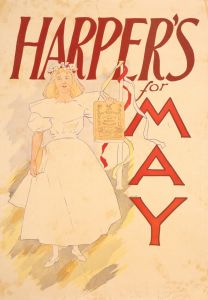
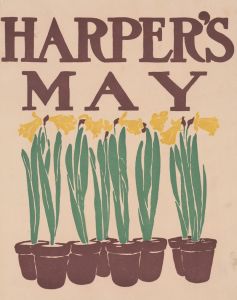
"Harper’s July" was created in 1897 as part of a series of monthly posters commissioned by Harper & Brothers to promote their magazine. Penfield's posters were designed to capture the attention of passersby and entice them to purchase the magazine. Each poster corresponded to a specific month, featuring themes and imagery relevant to that time of year.
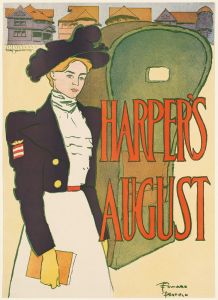
The "Harper’s July" poster is a quintessential example of Penfield's work, characterized by its bold colors, simplified forms, and clear, legible typography. The design typically features a central figure or scene that conveys a sense of leisure and enjoyment, aligning with the summer month it represents. Penfield's use of flat areas of color and strong outlines reflects the influence of the Art Nouveau movement, which was popular at the time.
Penfield's posters were not only advertisements but also works of art in their own right. They were widely appreciated for their aesthetic qualities and were collected by art enthusiasts. His work played a significant role in elevating the status of commercial art and demonstrated the potential of posters as a medium for artistic expression.
Edward Penfield's contribution to graphic design and illustration extended beyond his work for Harper's Magazine. He served as the art director for the magazine from 1891 to 1901, during which time he helped shape its visual identity. His influence can be seen in the way he integrated text and image, creating a harmonious balance that was both visually appealing and effective in communication.
"Harper’s July" and other posters by Penfield are considered important examples of the American poster movement, which was part of a broader international trend in poster art. This movement was characterized by its emphasis on bold, graphic imagery and its ability to convey messages quickly and effectively to a mass audience.
Today, Edward Penfield's work is celebrated for its historical significance and artistic merit. His posters are studied by art historians and graphic designers alike, and they continue to be admired for their innovative approach to design and their role in the evolution of modern advertising. Penfield's legacy is evident in the continued appreciation of his work and its influence on subsequent generations of artists and designers.


![Harper’s [for] April](/imgs/252615/s/edward-penfield-harpers-for-april-926050d0.jpg)