The Virgin Immaculate
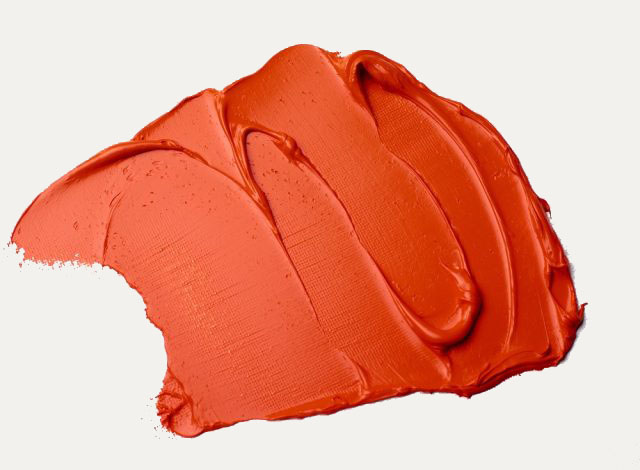
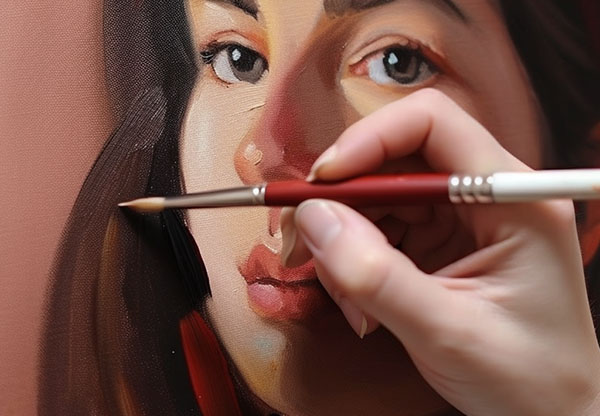
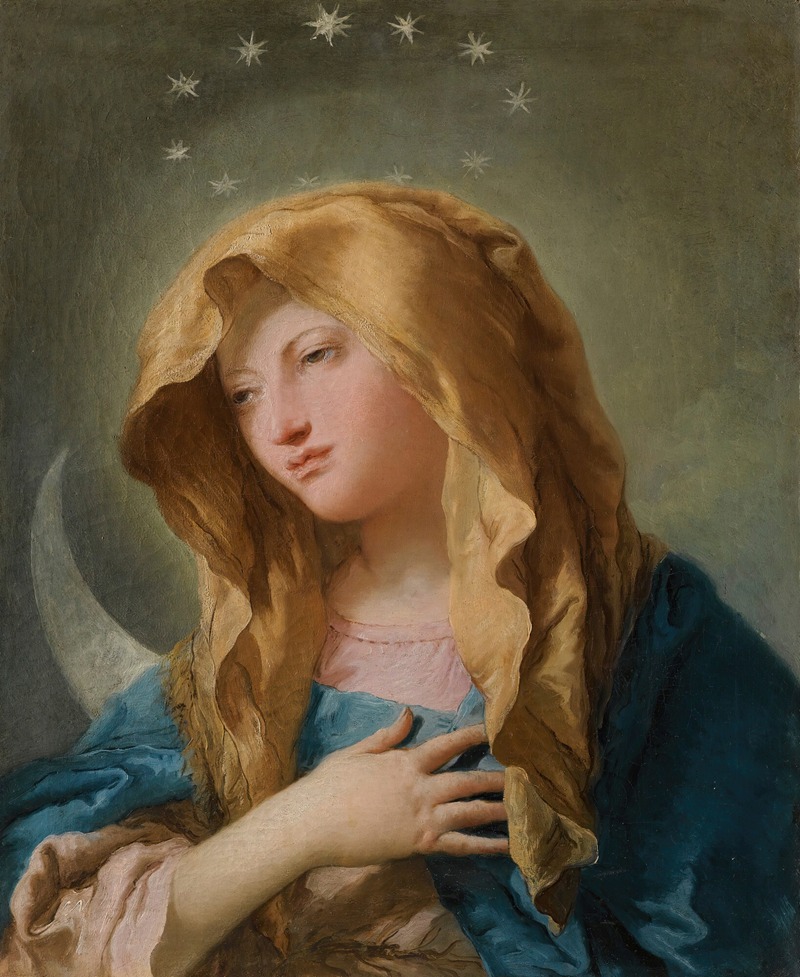
A hand-painted replica of Giovanni Battista Tiepolo’s masterpiece The Virgin Immaculate, meticulously crafted by professional artists to capture the true essence of the original. Each piece is created with museum-quality canvas and rare mineral pigments, carefully painted by experienced artists with delicate brushstrokes and rich, layered colors to perfectly recreate the texture of the original artwork. Unlike machine-printed reproductions, this hand-painted version brings the painting to life, infused with the artist’s emotions and skill in every stroke. Whether for personal collection or home decoration, it instantly elevates the artistic atmosphere of any space.
"The Virgin Immaculate" is a painting created by the renowned Italian artist Giovanni Battista Tiepolo. Tiepolo, born in Venice in 1696, is celebrated for his vibrant and dynamic compositions, which are characteristic of the late Baroque period. His works often feature dramatic use of light and color, and "The Virgin Immaculate" is no exception.
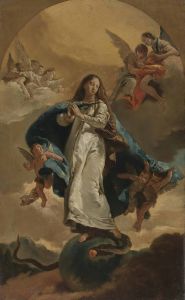
This painting, also known as "The Immaculate Conception," depicts the Virgin Mary in a moment of divine grace, free from original sin from the moment of her conception. This theme is a common subject in Catholic art, reflecting the doctrine of the Immaculate Conception, which was a significant aspect of Marian theology.
In "The Virgin Immaculate," Tiepolo portrays Mary standing on a crescent moon, a symbol often associated with the Immaculate Conception, and surrounded by a host of angels. She is dressed in flowing robes of blue and white, colors traditionally linked to her purity and heavenly nature. The composition is marked by a sense of movement and lightness, with the figures appearing to float effortlessly in the celestial space.
Tiepolo's use of light in this painting is particularly noteworthy. He employs a soft, diffused light that enhances the ethereal quality of the scene. The light seems to emanate from Mary herself, illuminating her figure and casting a gentle glow on the surrounding angels. This technique not only highlights her central role in the composition but also underscores her divine purity.
The painting is also distinguished by Tiepolo's masterful use of color. The rich blues and whites of Mary's robes contrast with the warmer tones of the angels' garments and the golden hues of the heavenly background. This vibrant palette adds to the overall sense of divine radiance and otherworldliness.
"The Virgin Immaculate" is a testament to Tiepolo's skill as a painter and his ability to convey complex theological concepts through visual art. His dynamic composition, expert use of light and color, and delicate rendering of figures all contribute to the painting's powerful impact.
This work is part of Tiepolo's broader oeuvre, which includes numerous religious and mythological subjects. Throughout his career, he received commissions from churches, palaces, and private patrons across Europe, solidifying his reputation as one of the leading artists of his time. His influence extended beyond his lifetime, impacting the development of European painting well into the 18th century.
"The Virgin Immaculate" remains an important example of Tiepolo's artistic legacy and continues to be admired for its beauty and spiritual depth. It exemplifies the grandeur and expressiveness of the late Baroque style, as well as Tiepolo's unique ability to blend the sacred with the sublime.