The Embroiderer
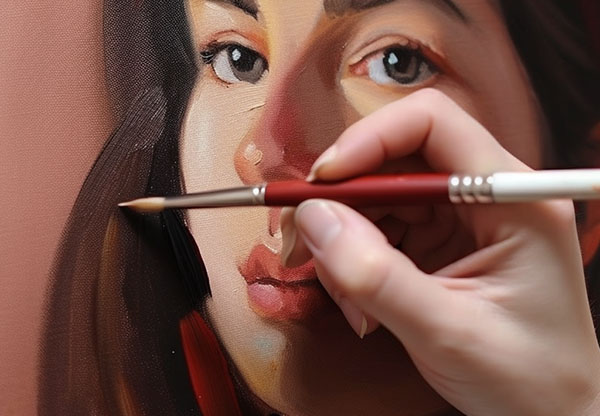
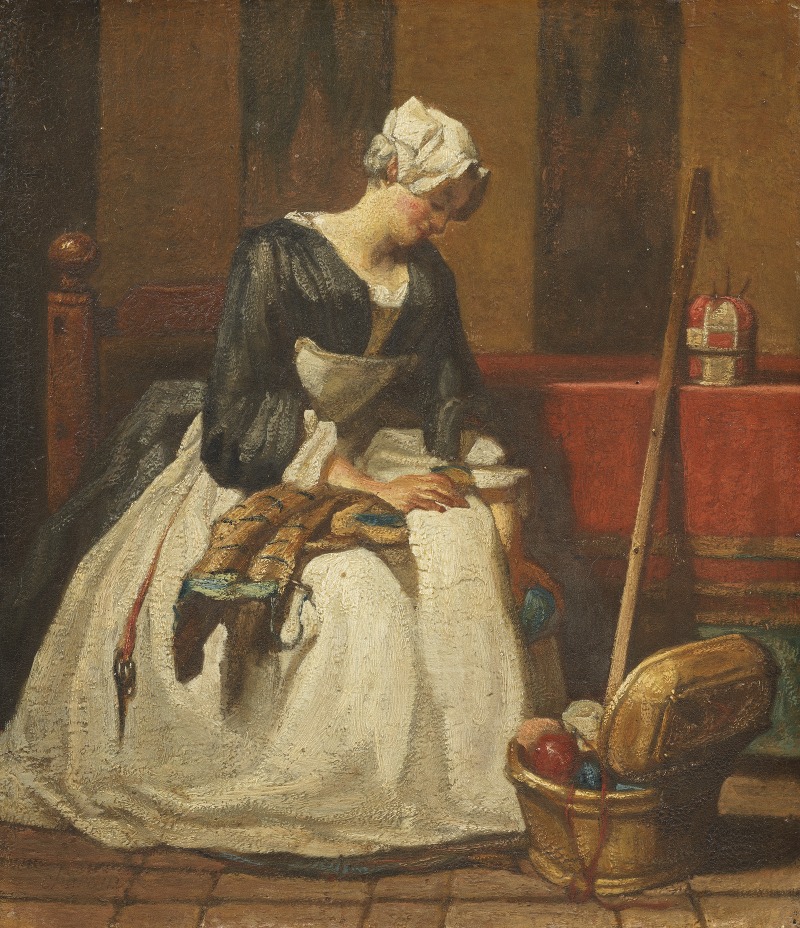
A hand-painted replica of Jean Siméon Chardin’s masterpiece The Embroiderer, meticulously crafted by professional artists to capture the true essence of the original. Each piece is created with museum-quality canvas and rare mineral pigments, carefully painted by experienced artists with delicate brushstrokes and rich, layered colors to perfectly recreate the texture of the original artwork. Unlike machine-printed reproductions, this hand-painted version brings the painting to life, infused with the artist’s emotions and skill in every stroke. Whether for personal collection or home decoration, it instantly elevates the artistic atmosphere of any space.
Jean Siméon Chardin, a prominent French painter of the 18th century, is renowned for his mastery in still life and genre painting. One of his works, The Embroiderer (La Brodeuse), exemplifies his ability to depict scenes of everyday life with a sense of quiet dignity and meticulous attention to detail. Painted in 1739, this artwork reflects Chardin's characteristic focus on domestic interiors and the activities of ordinary people, themes that were central to his oeuvre.
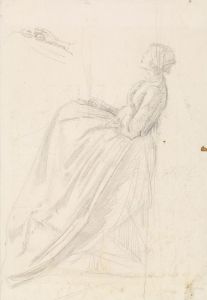
The Embroiderer portrays a young woman seated at a table, deeply engrossed in her embroidery work. The composition is intimate and understated, emphasizing the simplicity of the scene. Chardin's use of soft, diffused light enhances the tranquil atmosphere, while his subtle color palette—dominated by earthy tones and muted hues—adds to the painting's sense of realism. The artist's careful rendering of textures, from the fabric of the woman's clothing to the wooden surface of the table, demonstrates his technical skill and attention to detail.
This painting is often celebrated for its ability to elevate a seemingly mundane activity into a subject of artistic significance. By focusing on the quiet concentration of the embroiderer, Chardin invites viewers to appreciate the beauty and value of everyday labor. The work aligns with the broader themes of the Enlightenment period, which emphasized the dignity of work and the virtues of domestic life.
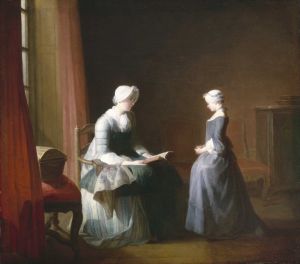
The Embroiderer is housed in the Nationalmuseum in Stockholm, Sweden. It is part of a series of genre paintings by Chardin that depict women engaged in various domestic tasks, such as The Governess and The Housekeeper. These works collectively highlight Chardin's interest in portraying the rhythms of daily life and his ability to capture the humanity of his subjects.
Chardin's approach to painting was distinct from the more elaborate and theatrical style of his contemporaries in the Rococo movement. Instead, he focused on simplicity, restraint, and a deep sense of realism, which earned him recognition as one of the most important genre painters of his time. The Embroiderer remains a testament to his skill in transforming ordinary moments into timeless works of art.