Naine valge tanuga
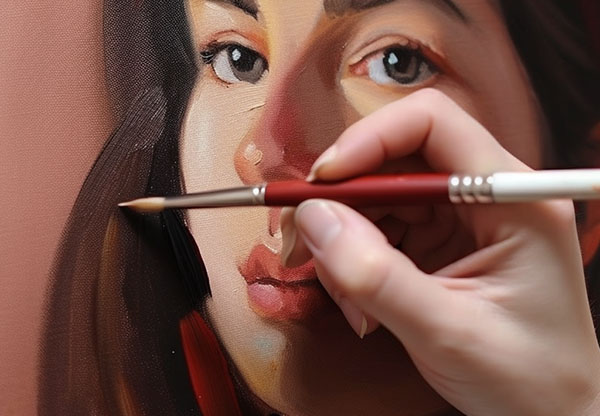
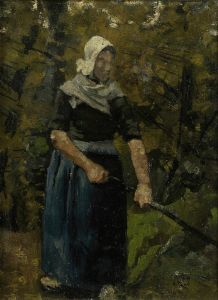
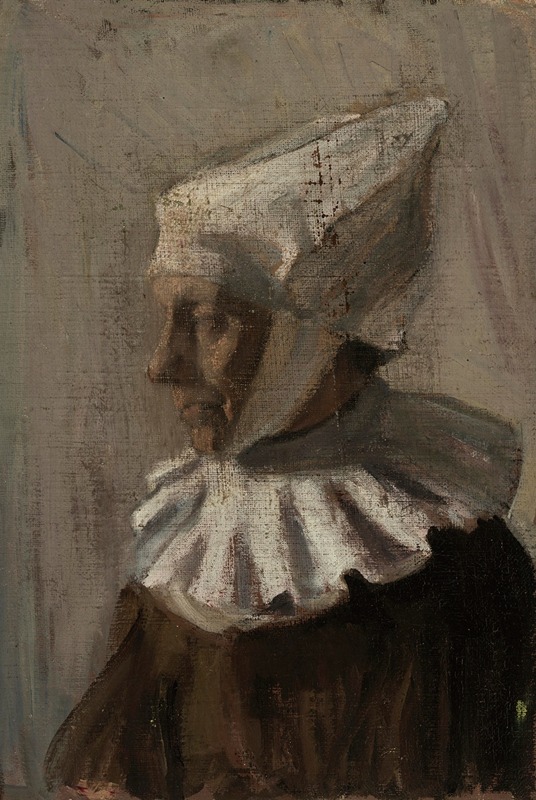
A hand-painted replica of Nikolai Triik’s masterpiece Naine valge tanuga, meticulously crafted by professional artists to capture the true essence of the original. Each piece is created with museum-quality canvas and rare mineral pigments, carefully painted by experienced artists with delicate brushstrokes and rich, layered colors to perfectly recreate the texture of the original artwork. Unlike machine-printed reproductions, this hand-painted version brings the painting to life, infused with the artist’s emotions and skill in every stroke. Whether for personal collection or home decoration, it instantly elevates the artistic atmosphere of any space.
Naine valge tanuga (translated as "Woman with a White Headscarf") is a painting by the Estonian artist Nikolai Triik (1884–1940). Triik was a prominent figure in Estonian art during the early 20th century and is known for his contributions to modernist painting and graphic art. He was part of the Noor-Eesti (Young Estonia) movement, which sought to modernize Estonian culture and art while maintaining a connection to national identity.
The painting "Naine valge tanuga" is one of Triik's notable works, showcasing his skill in portraiture and his ability to capture the essence of his subjects. The artwork depicts a woman wearing a traditional white headscarf, a garment often associated with Estonian folk culture and rural life. The headscarf, or "tanu," was a common element of traditional women's attire in Estonia, symbolizing cultural heritage and identity. Through this piece, Triik combines elements of realism and modernist influences, reflecting his artistic training and exposure to European art movements.
Triik studied at the St. Petersburg Academy of Arts and later in Helsinki and Paris, where he encountered various modernist styles, including Symbolism and Impressionism. These influences are evident in his work, which often blends traditional themes with innovative techniques. "Naine valge tanuga" exemplifies this synthesis, as it portrays a culturally significant subject with a modern artistic approach.
The painting is characterized by its subdued color palette and attention to detail, particularly in the rendering of the woman's facial features and the texture of the headscarf. The composition is intimate, focusing closely on the subject, which creates a sense of connection between the viewer and the portrayed figure. This focus on individuality and cultural symbolism is a recurring theme in Triik's work.
While the exact date of creation for "Naine valge tanuga" is not widely documented, it is consistent with Triik's broader body of work, which often explored themes of national identity and personal expression. The painting is considered an important example of early 20th-century Estonian art and reflects the broader cultural and artistic developments of the time.
Today, Nikolai Triik is regarded as one of Estonia's most significant artists, and his works are held in high esteem. Many of his paintings, including "Naine valge tanuga," are preserved in Estonian art museums and collections, where they continue to be studied and appreciated for their artistic and cultural value.