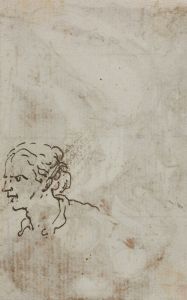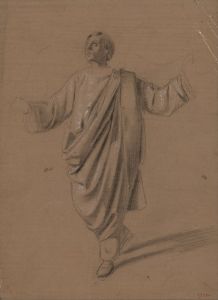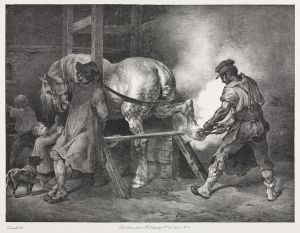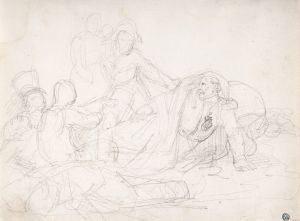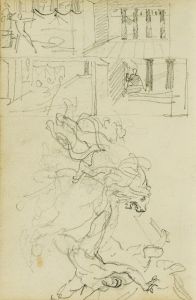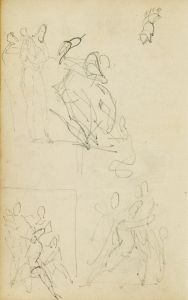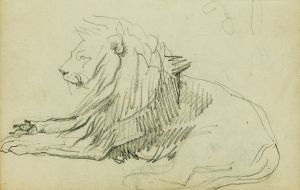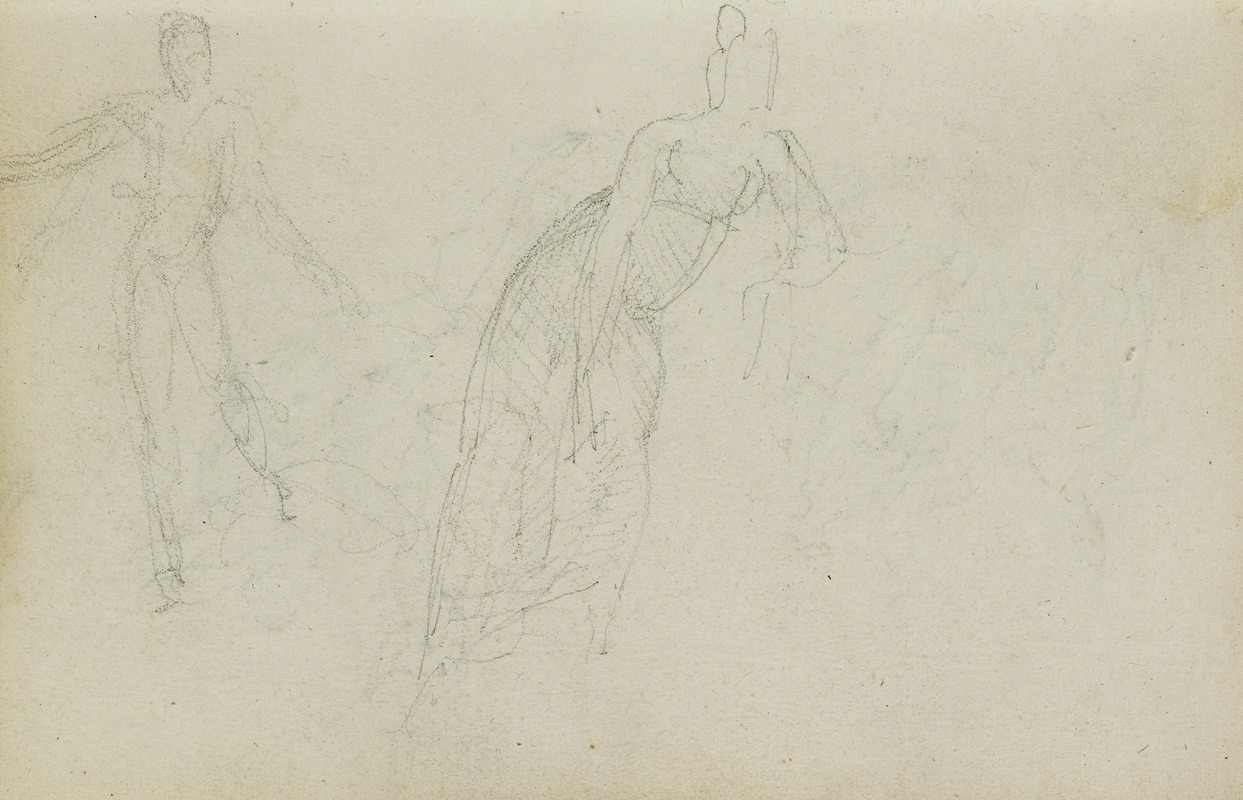
Figure studies
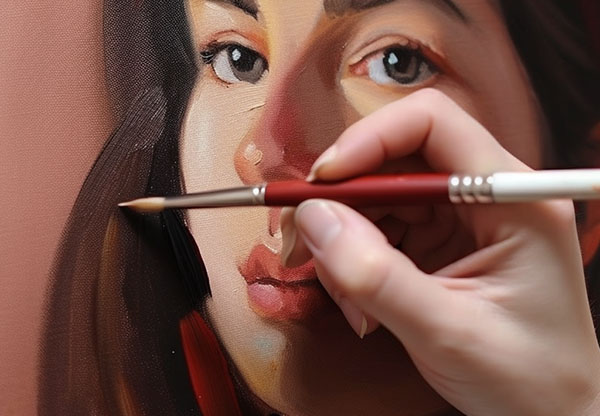
A hand-painted replica of Théodore Géricault’s masterpiece Figure studies, meticulously crafted by professional artists to capture the true essence of the original. Each piece is created with museum-quality canvas and rare mineral pigments, carefully painted by experienced artists with delicate brushstrokes and rich, layered colors to perfectly recreate the texture of the original artwork. Unlike machine-printed reproductions, this hand-painted version brings the painting to life, infused with the artist’s emotions and skill in every stroke. Whether for personal collection or home decoration, it instantly elevates the artistic atmosphere of any space.
Théodore Géricault, a prominent French painter and lithographer, is best known for his dramatic and emotive works that played a significant role in the development of the Romantic movement in France. One of his notable works is "Figure Studies," which showcases his exceptional skill in capturing the human form and his dedication to realism.
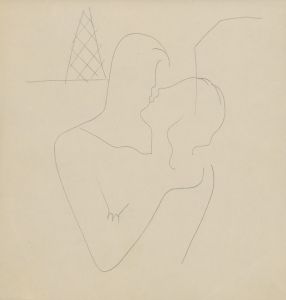
"Figure Studies" by Théodore Géricault is a series of drawings that focus on the human figure, emphasizing anatomical precision and expressive poses. These studies were likely created as preparatory works for his larger compositions or as exercises to refine his understanding of human anatomy. Géricault's interest in the human body is evident in the meticulous detail and dynamic energy of these drawings.
Géricault was born on September 26, 1791, in Rouen, France. He showed an early interest in art and began his formal training at the age of 15. He studied under various artists, including Carle Vernet and Pierre-Narcisse Guérin, who influenced his early development. Géricault's fascination with the human form and his commitment to realism were further honed during his studies at the École des Beaux-Arts in Paris.
Throughout his career, Géricault was known for his intense and often dramatic subject matter. His most famous work, "The Raft of the Medusa" (1818-1819), is a monumental painting that depicts the aftermath of a contemporary shipwreck and highlights his ability to convey human suffering and resilience. "Figure Studies" can be seen as part of this broader interest in the human condition and the physicality of the body.
The drawings in "Figure Studies" are characterized by their strong lines, careful shading, and attention to anatomical detail. Géricault often used live models to ensure accuracy in his depictions, and his studies reflect a deep understanding of muscle structure and movement. These works demonstrate his ability to capture the tension and dynamism of the human body, qualities that would become hallmarks of his larger compositions.
Géricault's approach to figure drawing was influenced by his admiration for classical art and the works of the Renaissance masters. He was particularly inspired by the anatomical studies of Michelangelo and the expressive power of Rubens. This blend of classical precision and Romantic intensity is evident in "Figure Studies," where each drawing conveys both the physical reality and the emotional depth of the human form.
In addition to his technical skill, Géricault's figure studies reveal his interest in the psychological aspects of his subjects. The poses and expressions in these drawings often suggest a narrative or emotional state, inviting viewers to consider the inner lives of the figures depicted. This focus on the psychological dimension of his subjects is a key aspect of Géricault's work and contributes to the enduring impact of his art.
Théodore Géricault's "Figure Studies" remain an important part of his artistic legacy, offering insight into his process and his profound engagement with the human form. These drawings not only showcase his technical prowess but also his ability to imbue his subjects with a sense of life and emotion. As such, they continue to be studied and admired by art historians and enthusiasts alike.